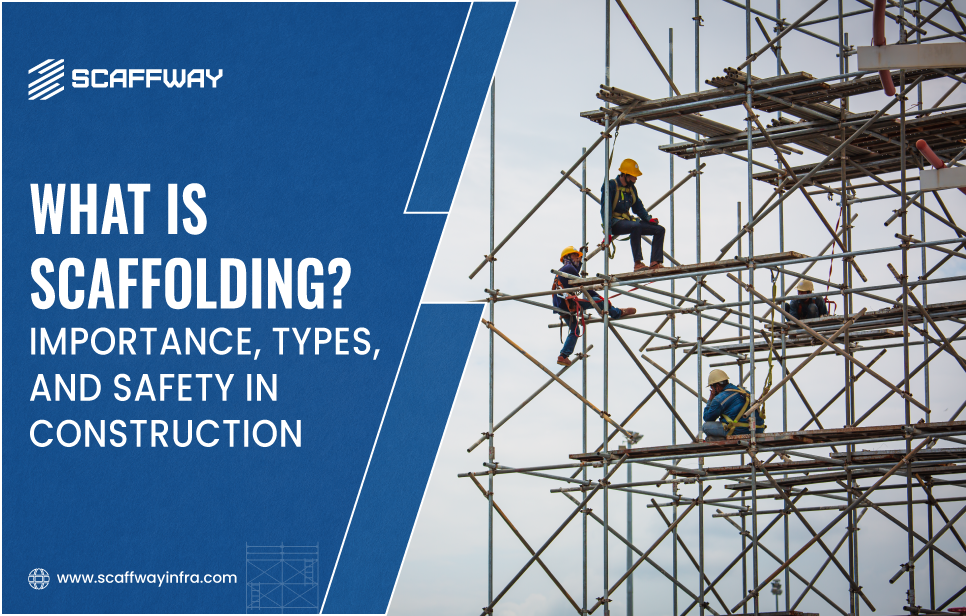
Construction activities these days require speed, accuracy, but most importantly, safety. If it is a housing skyscraper, office building, industrial complex, or infrastructural development, scaffolding is essential in achieving efficient and safe construction processes. With the help of scaffolding in construction, it provides support to construction workers who operate at high levels and facilitate effective transportation of materials.
For construction firms and builders that deal with complicated buildings and vertical constructions, scaffolding systems are vital in determining success in projects.
An Introduction to Scaffolding in Construction
A scaffolding system consists of an improvised platform to facilitate the construction and maintenance of buildings. Scaffolding is usually employed to provide a platform for workers and equipment in cases where direct access from the ground is not possible.
Modern scaffolding systems are developed in such a way that they promote ease of access, minimize safety risks, and expedite the process of construction. Whether it is façade construction, plastering, repairing, or installation, scaffolding enables workers to undertake construction activities effectively.
Today, sophisticated scaffolding systems such as cuplock scaffolding have become very popular.
Significance of Scaffolding in Construction Industry Enhanced Worker Safety
One of the main benefits that scaffolding provides is safety. Working at height carries many dangers and the correct use of scaffolding reduces the risk of falls and other incidents. Good scaffolding will provide a safe place of work for workers and technicians.
Hard to reach places on difficult construction sites workers will need to get to. Scaffolding provides stable pathways at different heights of the construction site, which greatly facilitates mobility.
Such applications would be necessary in constructions as:
- High-rise buildings
- Industrial buildings
- Infrastructure construction sites
- Construction of bridges
- Work on façade.
Higher Efficiency and Productivity
A well-constructed scaffolding ensures that the worker can work efficiently and finish his/her work within a shorter period. The movement of materials and equipment through the scaffolding is efficient since the activities involved become well-organized.
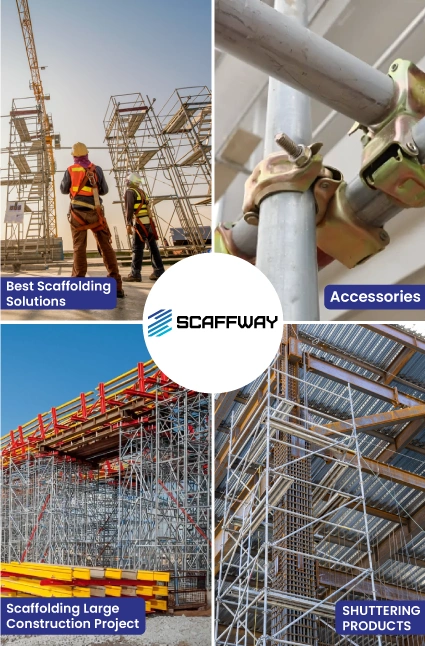
In every scaffolding large construction project, the efficiency of operations depends on the design and material used in scaffolding construction.
Ability to Support Heavy Construction Activities
The construction of scaffolding involves designing a structure that can carry the manpower and construction materials. Using strong materials in scaffolding construction helps ensure that the scaffold remains stable.
Various Kinds of Scaffolds Used in Construction
There are several kinds of scaffolding used depending upon the demands of construction works. The choice of the appropriate scaffolding is based on the scale of the project and the height of the structure under construction.
Cuplock Scaffolding
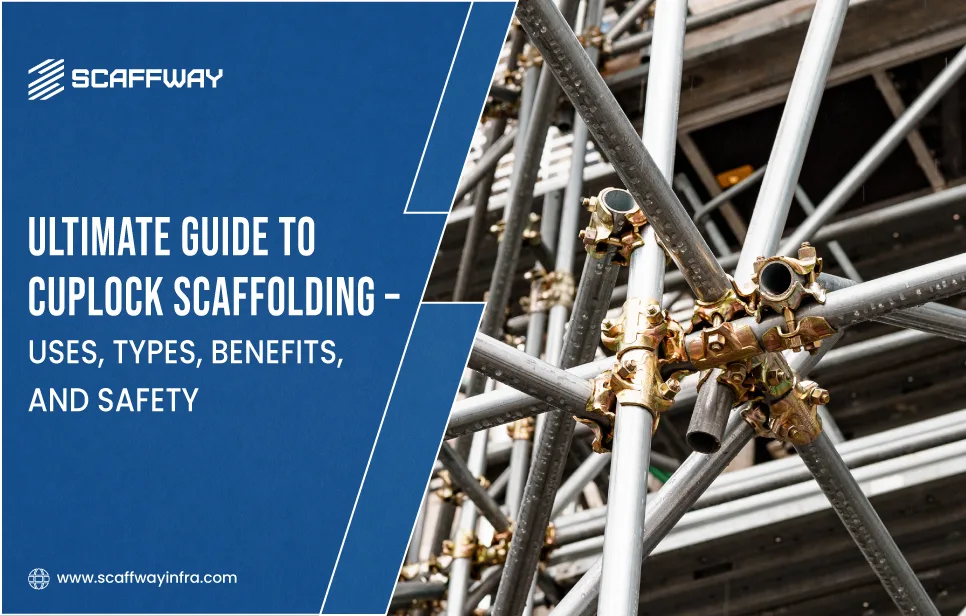
The cuplock scaffold is one of the most common kinds of scaffolding being used extensively in the construction industry. This type of scaffolding utilizes a locking system which facilitates swift and dismantling of the structure.
Advantages of Cuplock Scaffolding
- Quick assembling process
- High load-carrying capacity
- Labor-saving
- Highly durable
- Applicable to curved structures
Suspended Scaffold
A suspended scaffold can be suspended from the roof via ropes or chains, which is often used to maintain and repair exteriors of tall structures.
A suspended scaffold is quite efficient for:
- Cleaning windows
- Painting
- Rehabilitation of exteriors
- Maintenance of high-rise buildings
- Supported Scaffold
The supported scaffold is assembled by using frame poles and platforms and rises from the ground upwards. This scaffold is mostly used during residential and commercial constructions.
Mobile Scaffold
The mobile scaffold features wheels that make it easy to relocate.
Scaffolding for High Rise Buildings
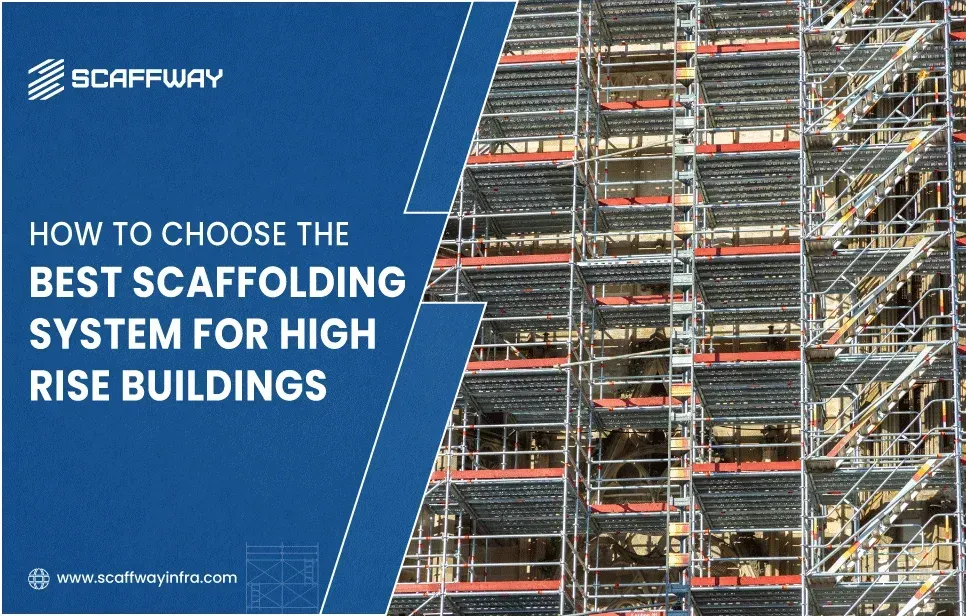
In today’s modern cities, there is a need for more dependable scaffolding for high rise buildings. Scaffolds employed for high rises should be sophisticated enough to withstand heavy loads and provide absolute stability during high-altitude construction.
High rise scaffolding should have the following qualities:
- Superior weight-carrying capacity
- Resistance against strong winds
- Facility for easy upward access
- Safety standards for workers
- Rapid assembly and disassemble
It is advisable for developers and constructors to invest in quality scaffolding systems.
Scaffold Material Quality
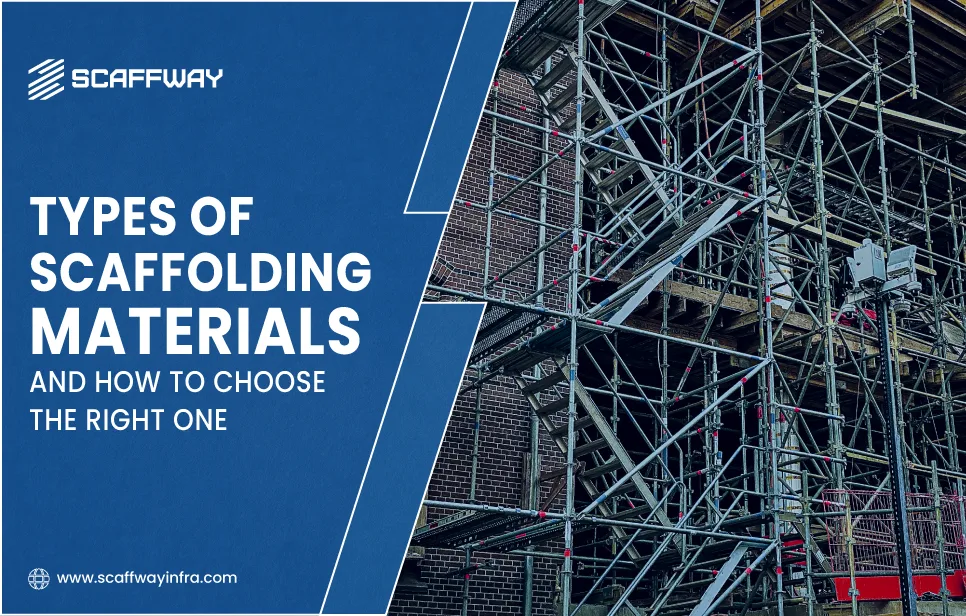
The strength of any scaffolding structure will depend on the quality of the scaffold materials used. The use of inferior quality scaffold materials can jeopardize the health and safety of workers and can cause the scaffold to collapse.
Some of the common high quality scaffolding materials are as follows:
- Zinc-Plated Steel
- MS Pipe
- Scaffolding aluminium
- Robust joints and connectors
Safety Precautions in Scaffolding
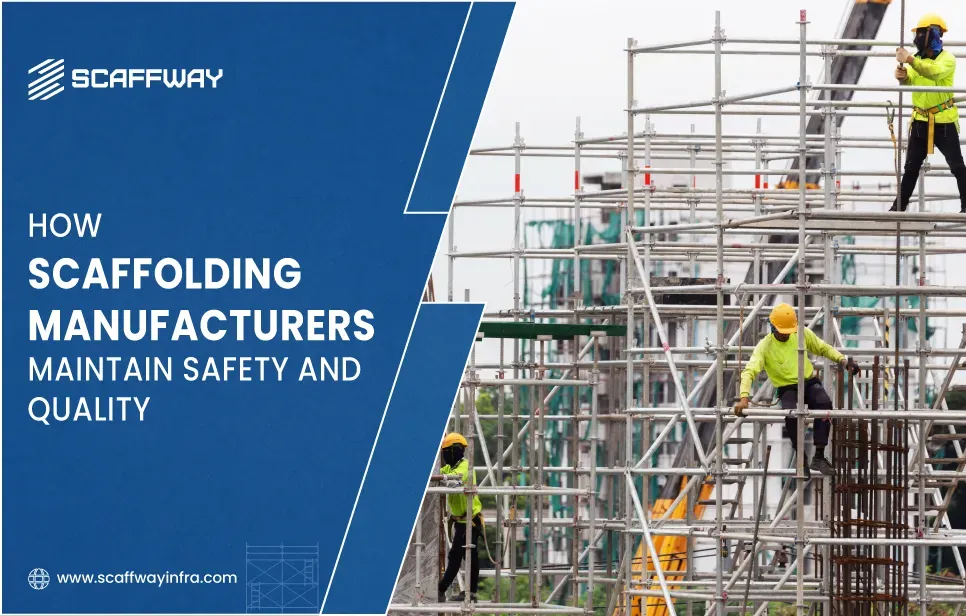
Safety is among the key factors in the use of scaffolding structures.
Installation Procedures
Scaffolding structures must be assembled by professional engineers who experience engineering standards during their construction process.
Routine Inspections
Inspection procedures can determine the following:
- Loose joints
- Damages to the structure
- Unstable ground conditions
- Overloading of the structure
- Using Safety Equipment
Those operating scaffolding structures must wear:
- Hard hats
- Safety harnesses
- Non-skid shoes
- Safety gloves
- Load Control
Overloading of scaffolding platforms results in hazardous situations. Every scaffolding structure must be operated within its designed maximum loading capacity.
Reasons for Builder's Preference for Professional Scaffolding
Professional scaffolding companies provide total package solutions ranging from designing, assembly, management, and dismantling. This ensures that the builder can concentrate on construction without any safety and productivity threats.
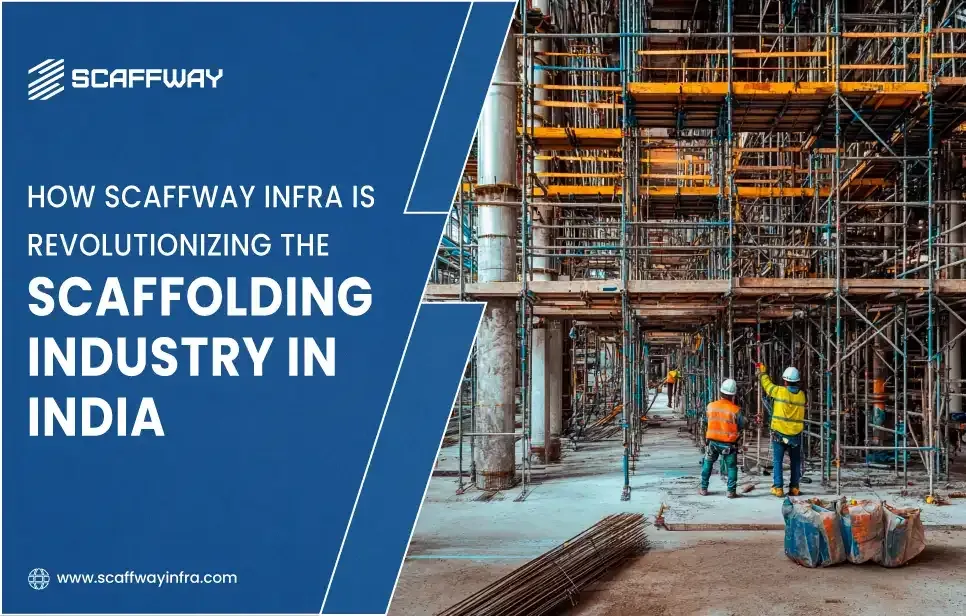
Scaffolding companies such as Scaffway Infra provide modern scaffolding solutions designed to cater to the needs of contemporary structures.
This includes experience in:
- Residential projects
- Commercial constructions
- Industrial constructions
- Infrastructure projects
- Large-scale high-rise constructions
Conclusion
In essence, scaffolding is much more than just a temporary support structure; it is an essential component that contributes immensely towards safety and effectiveness during all stages of the building process. Indeed, by selecting the appropriate scaffolding type and materials, construction work will be done efficiently.
Given the continued rise in the demand for high-rise structures and buildings with complex architectural designs, sophisticated scaffolding systems such as the cuplock scaffolding have become favorites among builders and construction companies.
Indeed, effective scaffolding does not only ensure worker safety but also enhances project efficiency.
Frequently Asked Questions
1. What is scaffolding in construction ?
Scaffolding is a temporary structure which is built to aid in the construction work done at high elevations.
2. Why is cuplock scaffolding so popular?
Cuplock scaffolding is becoming more and more popular because of its quick to install, its strength, versatility and its ability to take large loads due to its strong construction.
3. Scaffolding made up of different materials.
Scaffolding material is mainly made of mild steel pipes with heavy duty fittings, galvanized steel and aluminum.
4. Is scaffolding considered essential for high rise buildings?
Scaffolding in high rise buildings provides safe access, increased productivity and ensures structural stability is maintained.




Connect With Us
We’re here to help you with all your scaffolding and access solution needs. Whether you have a query, need product information, or require a customized solution, our team is just a call or message away. Reach out to us through phone, email, or by filling out the contact form, and we’ll get back to you at the earliest.